
Sleep Apnea Treatment Alafaya
Enjoy a Full Night’s Rest Once More
Every night, millions of people miss out on countless hours of sleep because of sleep apnea – and what’s worse is that many more cases remain completely undiagnosed! But even though this condition might seem fairly harmless, it can lead to some pretty severe oral and overall health consequences over time. Continue reading below to learn more about this sleep disorder and what forms of sleep apnea treatment are available at our Alafaya office!
Why Choose Premier Dental Care of East Orlando for Sleep Apnea Treatment?
- Experienced and Skilled Dentist and Team
- Advanced Technology for Precise Care
- More Comfortable Treatment Options Than CPAP
What is Sleep Apnea?
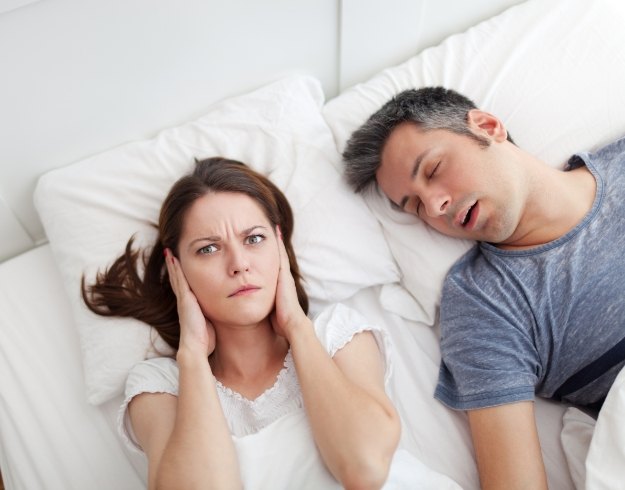
Sleep apnea is a condition in which a patient’s breathing stops periodically during their sleep, often due to an obstruction in their airway – which is why snoring is one of the most obvious symptoms. Each time you stop breathing in your sleep, the resulting lack of oxygen alerts your brain, causing you to temporarily wake up to normalize your breathing pattern.
Since the time spent awake is so brief, most patients don’t even remember it occurring – and what’s worse is that these episodes can happen as many as 20 or so times per hour, totaling to hundreds of episodes in a given night. This constant cycle of waking up and falling back asleep prevents patients from achieving deep sleep, also known as REM (rapid-eye movement).
Do I Have Sleep Apnea?
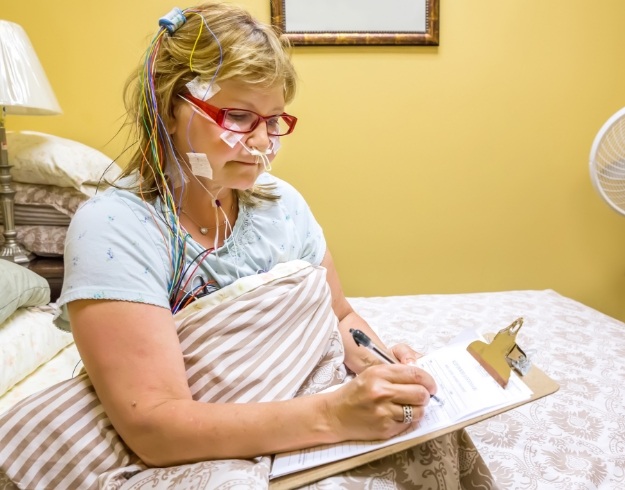
It’s pretty difficult to self-diagnose sleep apnea since you aren’t exactly awake to witness it yourself! However, there are many signs and symptoms that point toward impaired sleep and airway obstruction. If your partner or roommate mentions that you snore loudly at night or seem to be gasping for air, that warrants seeking professional treatment. Similarly, if you notice the development of morning headaches and intense physical exhaustion, memory loss, impaired motor function, or a dry mouth and throat when you wake up, they might be signs of apnea.
Dangers of Sleep Apnea

Although it might seem like a fairly harmless condition, sleep apnea isn’t something that you should shrug off. In fact, it can actually cause some pretty life-changing symptoms if left untreated, including:
- Daytime fatigue, physical exhaustion, and memory loss that affect your day-to-day routine.
- An increased risk of cardiovascular disease, stroke, hypertension, diabetes, and other systematic issues.
- An increased risk of oral health issues such as gum disease and tooth decay due to the negative impact of mouth breathing.
Oral Appliance Treatment
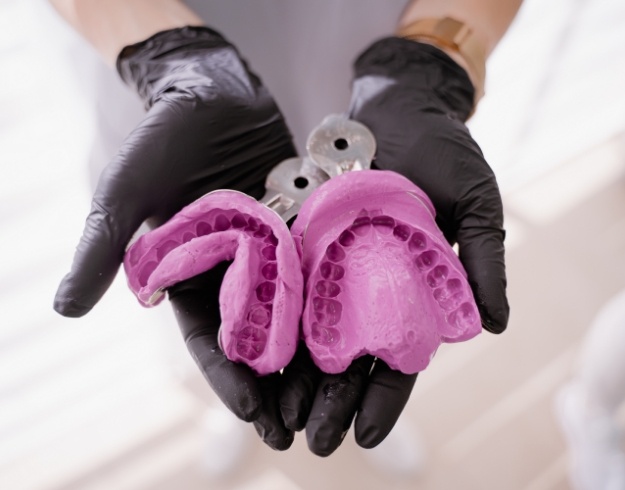
When it comes to treating sleep apnea, one of the most common solutions is CPAP therapy, which involves patients using a CPAP machine to encourage optimal airflow throughout the night. While effective, these machines do have their shortcomings, and many patients end up preferring something less invasive and easier to use. We’re excited to offer oral appliance treatment options as possible solutions for your sleep apnea, including Somnodent Flex and EMA appliances. These devices can encourage proper airflow throughout the night – and they’re surprisingly comfortable to wear!
Sleep Apnea FAQs
Does Everyone Who Snores Have Sleep Apnea?
Not everyone who snores has sleep apnea, and no everyone who has sleep apnea snores. However, loud snoring is one of the most common and notable symptoms of sleep apnea. If you or your sleeping partner notice that you have been snoring, this is a good reason to see a professional to get to the bottom of the issue. To determine if sleep apnea is the reason for your snoring, you will need to undergo a sleep study. If you receive a positive diagnosis, steps can be taken to help you get the quality sleep you need to thrive during the day.
How Should I Clean My Oral Appliance?
It is important that you keep your oral appliance to reduce your likelihood of cavities, gum disease, and other infections. You should gently brush and rinse your oral appliance every morning. When you aren’t wearing it, keep it in its case. Specialized denture cleansers can also be used to keep your oral appliance clean and fresh.
Will My Sleep Apnea Go Away If I Lose Weight?
The short answer is – maybe! Being overweight is a major risk factor for obstructive sleep apnea. Excess weight and tissue can block the airway, so losing this weight can reduce this harmful tissue. However, there is a possibility that you could continue to have sleep apnea after reaching a healthy weight. You will need to complete another sleep test to figure out if you still have the condition.
Will Oral Appliance Therapy Make CPAP Therapy Unnecessary?
CPAP therapy works by physically forcing air thorough the airway via a mask that is worn at night. Only about half of people who are prescribed CPAP therapy actually use it as directed. This is often because patients find it uncomfortable and impractical. In some cases, an oral appliance can replace CPAP therapy. In severe cases of sleep apnea, a combination could be needed. At Premier Dental Care of East Orlando, we use custom oral appliances to push your lower jaw forward, keeping your airway open.